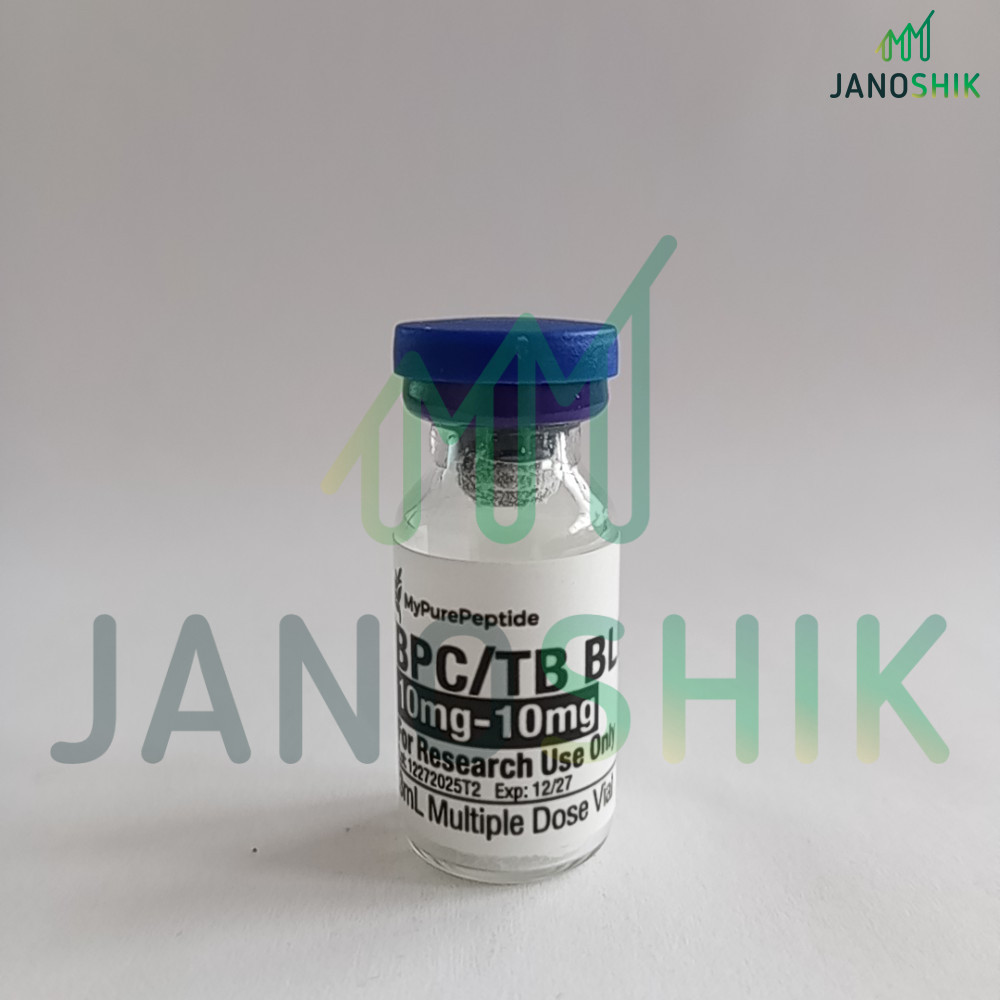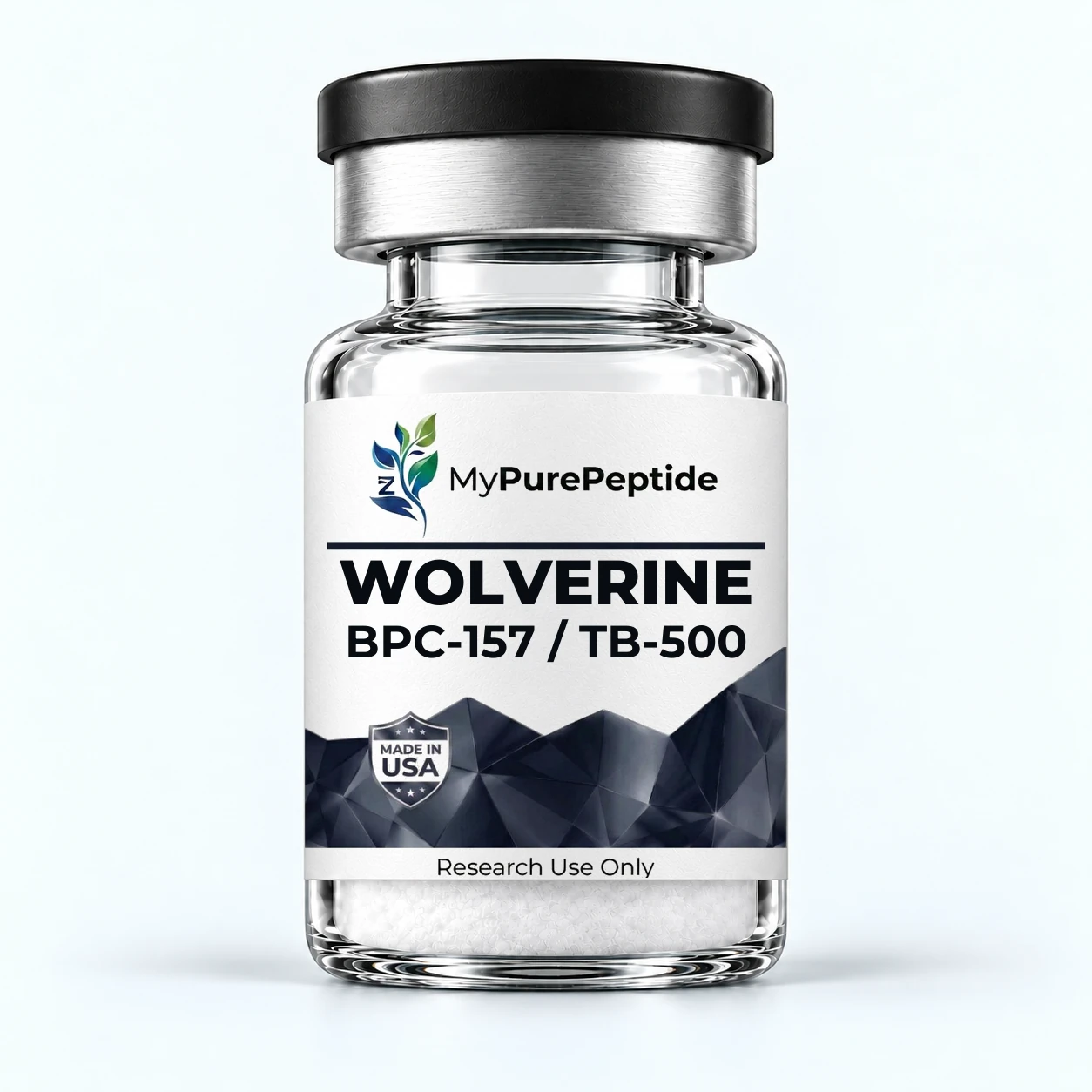
BPC-157 & TB-500 20 mg

$55.00

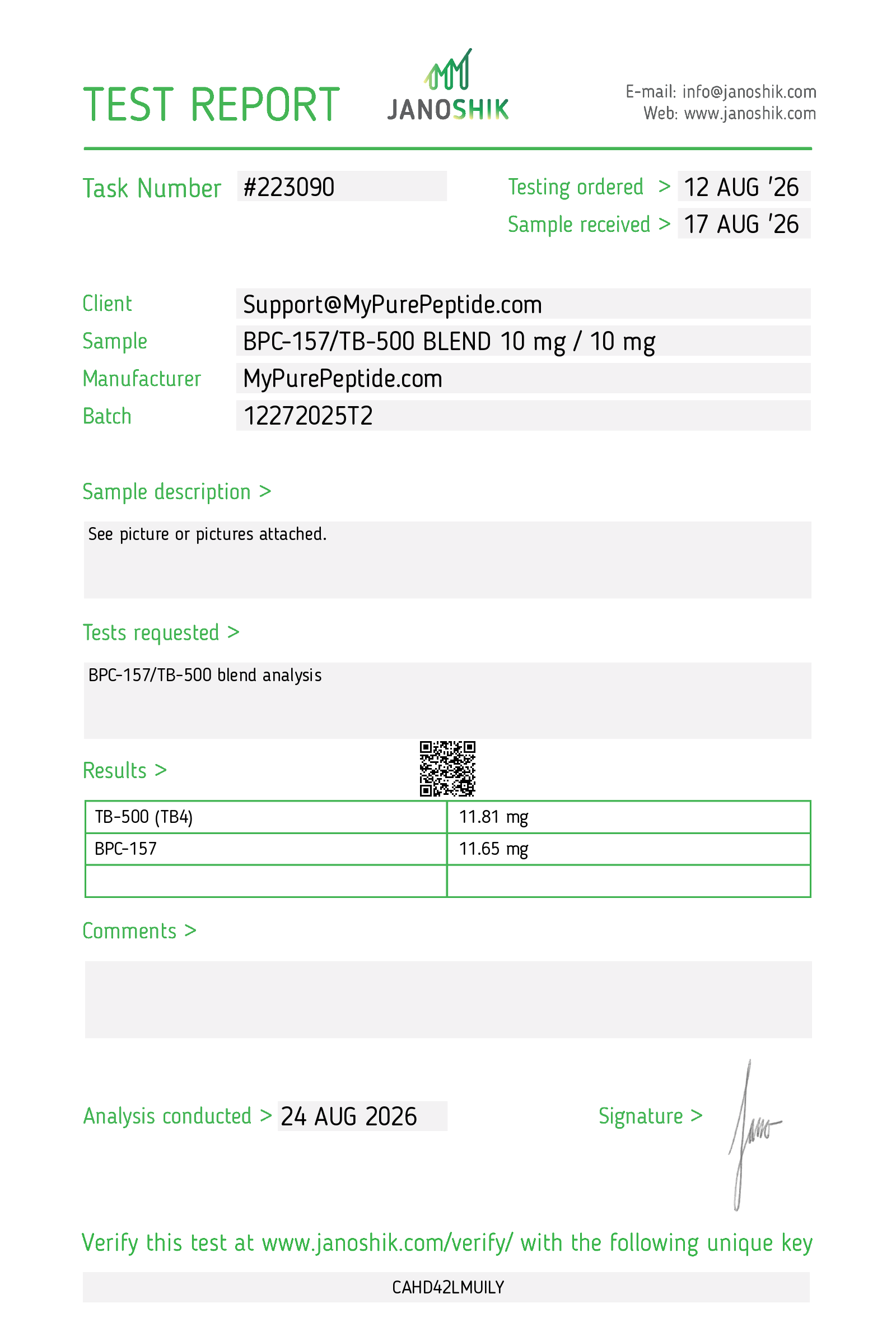
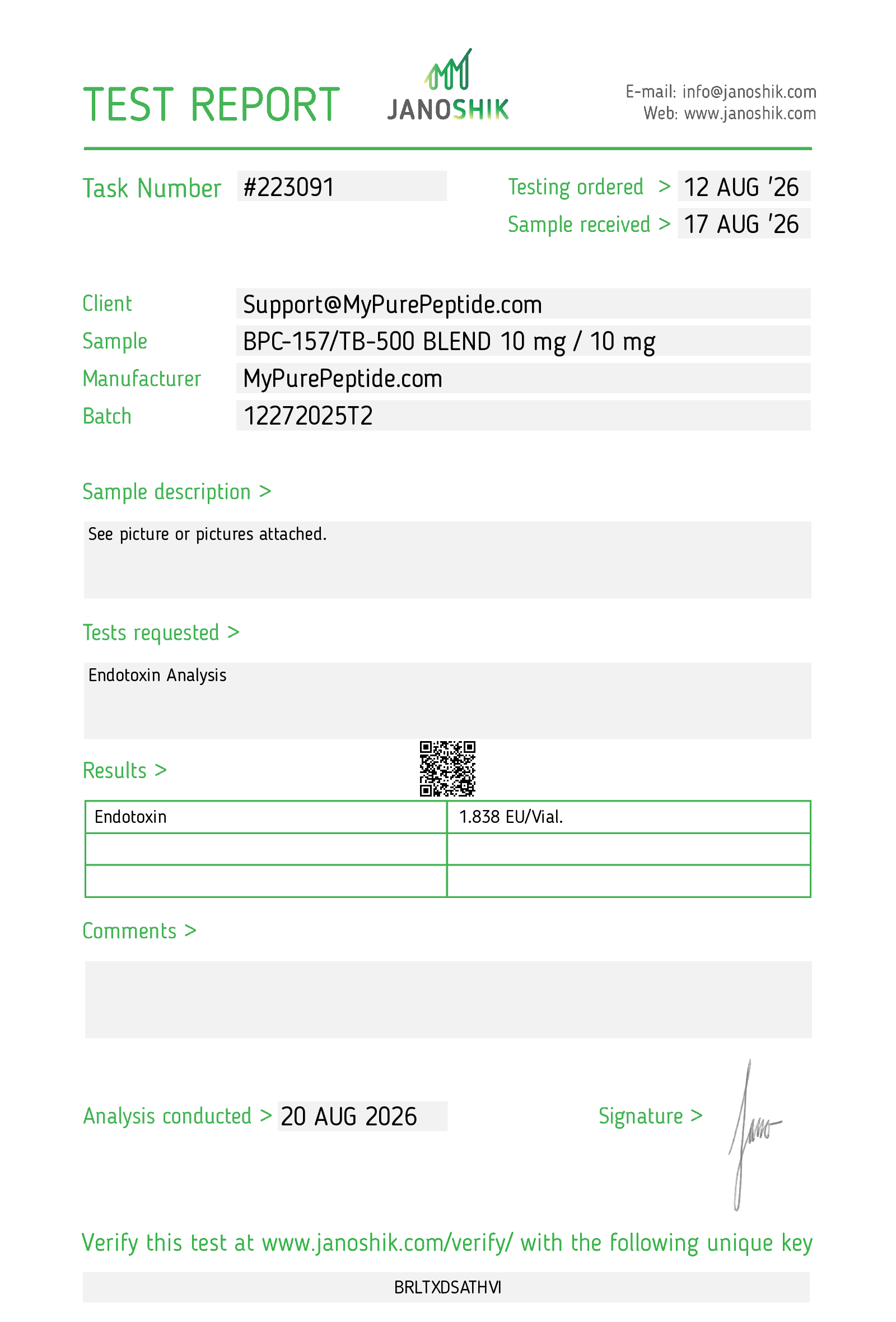
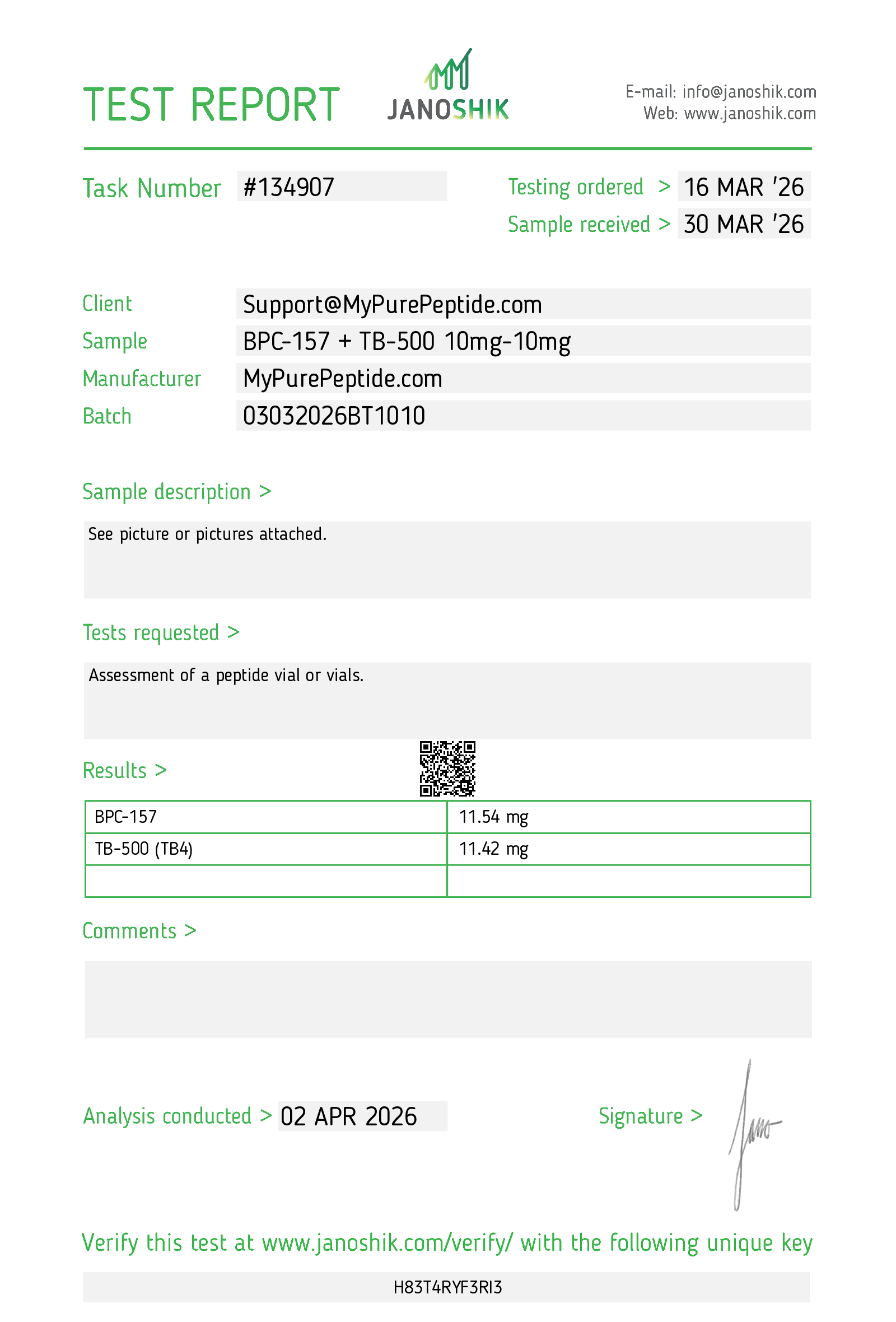
    Purity > 99% – View Lab Test

  • PeptideBPC-157 & TB-500
  • Amount10 mg per vial (10mg TB/10mg BPC)
  • FormLyophilized powder
  • Purity≥99% (HPLC COA available)
  • ManufactureGMP-certified facility
  • Storage (dry)Cool, dry place
  • After reconstitution2–8 °C (short-term); ?20 °C for long-term
Tags:

Description

BPC-157 & TB-500 — Research Peptide Blend

BPC-157 (Pentadecapeptide BPC-157) 10mg and TB-500 10mg (synthetic thymosin beta-4 analog)
are laboratory peptides explored separately in preclinical models for roles in tissue protection and repair.
Together, they are often studied as a complementary blend: BPC-157 for endothelial/angiogenic and
matrix-oriented signaling; TB-500 for cytoskeletal dynamics, cell migration, and wound remodeling.

What They Are

  • BPC-157: 15-amino-acid pentadecapeptide studied for effects on endothelial integrity,
    angiogenic signaling, nitric-oxide–linked pathways, and collagen matrix organization.
  • TB-500: 43-amino-acid analog of thymosin ?4, examined for actin binding/sequestration,
    cell motility, microtubule/cytoskeleton remodeling, and re-epithelialization in injury models.

Proposed Mechanisms (Preclinical)

BPC-157

  • Endothelial protection & pro-angiogenic signaling (NO-linked pathways; early-growth-response factors).
  • Matrix/collagen support and fibroblast migration in tendon/ligament models.
  • Inflammation modulation and potential neuroprotective signaling (model-dependent).

TB-500

  • Actin-binding motif LKKTETQ associated with cytoskeletal reorganization and cell motility.
  • Wound-healing biology: re-epithelialization, angiogenesis, granulation-tissue quality (model-dependent).
  • Inflammation-pathway modulation (e.g., miR-146a/IRAK1/TRAF6 axis, exploratory).

Selected Research Highlights

  • Skin/Wound Models: TB-500 (T?4) associated with faster re-epithelialization and contraction vs. controls in animal studies; small clinical datasets in chronic wounds have explored dose-response over multi-week protocols.
  • Tendon/Ligament: TB-family peptides reported more organized collagen and improved mechanical properties post-injury; BPC-157 associated with fibroblast migration and collagen deposition in tendon explants.
  • Muscle: BPC-157 explored in steroid-injury muscle models for functional restoration; TB-family peptides investigated for cytoskeletal remodeling and angiogenesis in cardiac ischemia models.
  • Angiogenesis & Matrix: Both peptides studied for capillary density/neo-vessel formation and ECM organization under injury stressors.

Chemical Information

  • BPC-157 — Formula: C62H98N16O22 · MW: 1419.5 g/mol
  • TB-500 — Formula: C212H350N56O78S · MW: 4963 g/mol

Specifications

  • Form: Lyophilized powders (research-grade)
  • Purity: ?99% (HPLC); COA per lot available
  • Packaging: Sealed vials suitable for laboratory handling

Storage & Handling

  • Store lyophilized vials in a cool, dry place, protected from light.
  • After reconstitution: refrigerate at 2–8 °C.
  • For long-term stability: store at ?20 °C; avoid repeated freeze–thaw cycles.

Reviews

There are no reviews yet.

Be the first to review “BPC-157 & TB-500 20 mg”

Your email address will not be published. Required fields are marked *

Related products