Description
KPV 10 mg — ?-MSH–Derived Tripeptide for Inflammation & Barrier Research
KPV is a short tripeptide (Lys–Pro–Val) derived from the C-terminal
fragment of ?-melanocyte–stimulating hormone (?-MSH). In preclinical research,
KPV and related fragments have been studied for anti-inflammatory, barrier-support,
and tissue-protection properties in skin, gut, and mucosal models.
What It Is
- Class: ?-MSH–derived tripeptide fragment
- Sequence: Lys–Pro–Val (KPV)
- Research focus: Inflammatory signaling, epithelial barrier integrity,
and tissue response to chemical or immune stressors.
Proposed Mechanisms (Preclinical)
Inflammatory Pathways
- Explored for downregulation of pro-inflammatory cytokines
in cell and tissue models. - Associated with modulation of NF-?B and related signaling cascades
in preclinical studies. - Investigated as a minimal ?-MSH–derived motif with
anti-inflammatory activity despite short length.
Barrier & Tissue Protection
- Studied in epithelial and mucosal models (e.g., gut and skin)
for effects on barrier integrity and repair markers. - Experimental work examines responses to chemical, immune, or mechanical
insults in barrier tissues. - Interest in interactions with melanocortin/?-MSH signaling networks
more broadly.
Selected Research Highlights
- Gut & Mucosal Models: KPV-type peptides have been investigated in
models of intestinal inflammation and barrier dysfunction for changes in
permeability, cytokines, and histology. - Dermatologic Research: Used in skin/keratinocyte systems exploring
inflammatory responses, redness, and irritation markers. - Innate Immunity: Preclinical work includes effects on innate immune
mediators and local inflammatory environments in barrier tissues.
Chemical & Handling Information
- Type: Synthetic tripeptide (Lys–Pro–Val)
- Peptide length: 3 amino acids
- Appearance: White to off-white lyophilized powder
Specifications
- Peptide: KPV
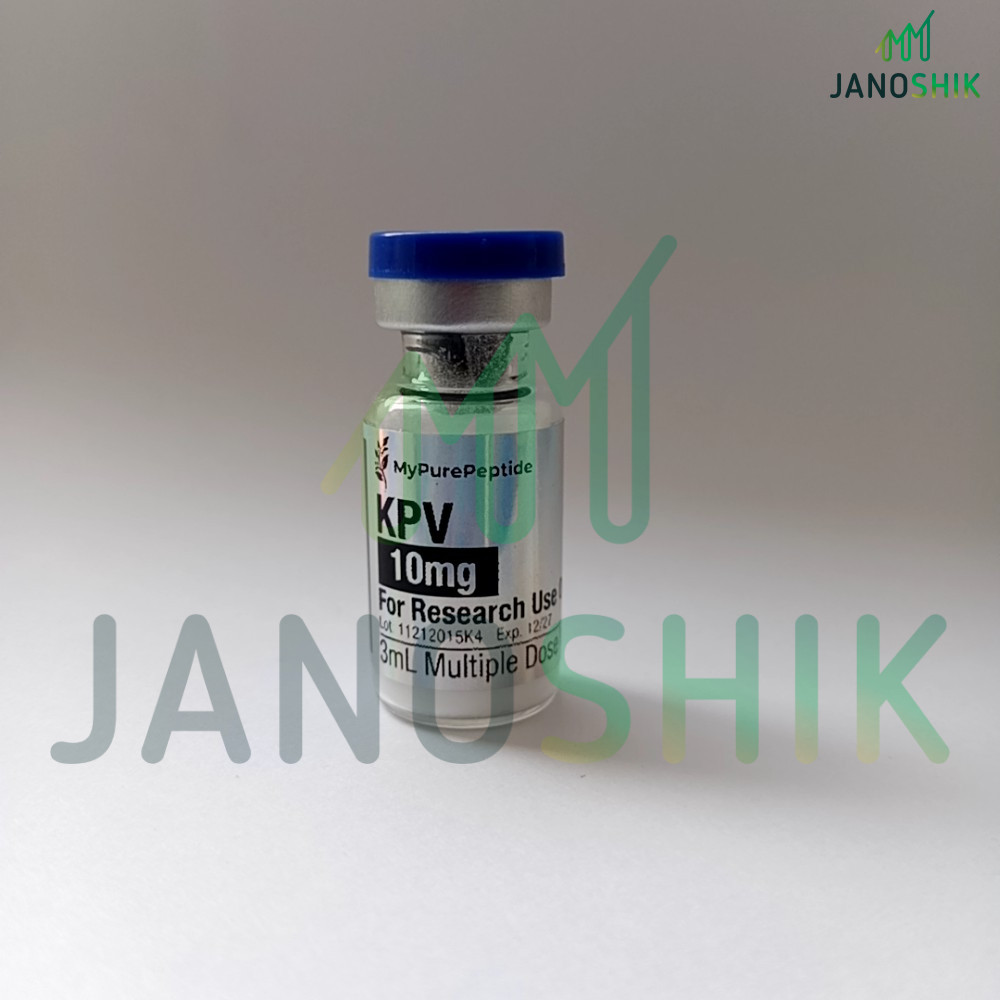
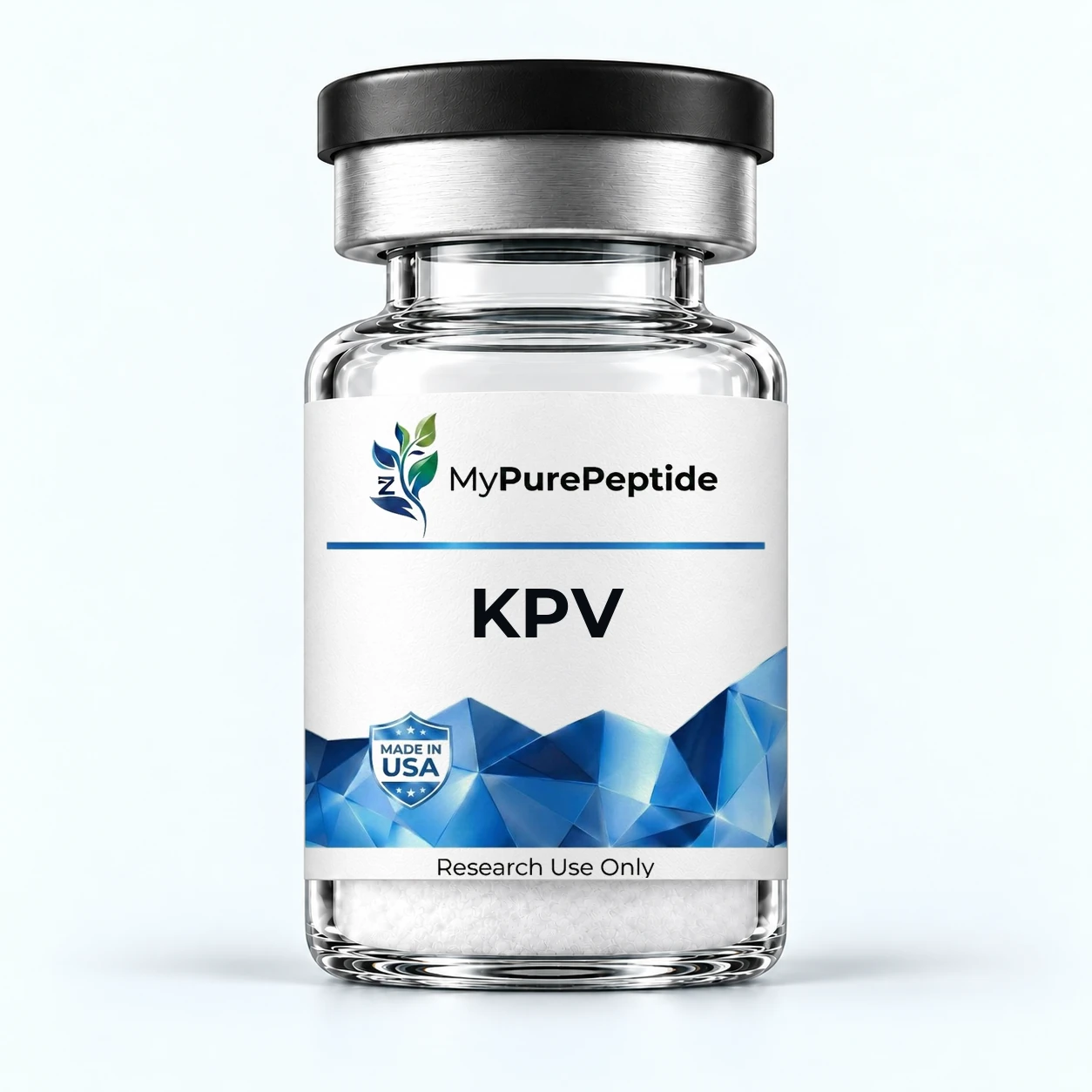
- Amount: 10 mg per vial
- Form: Lyophilized powder
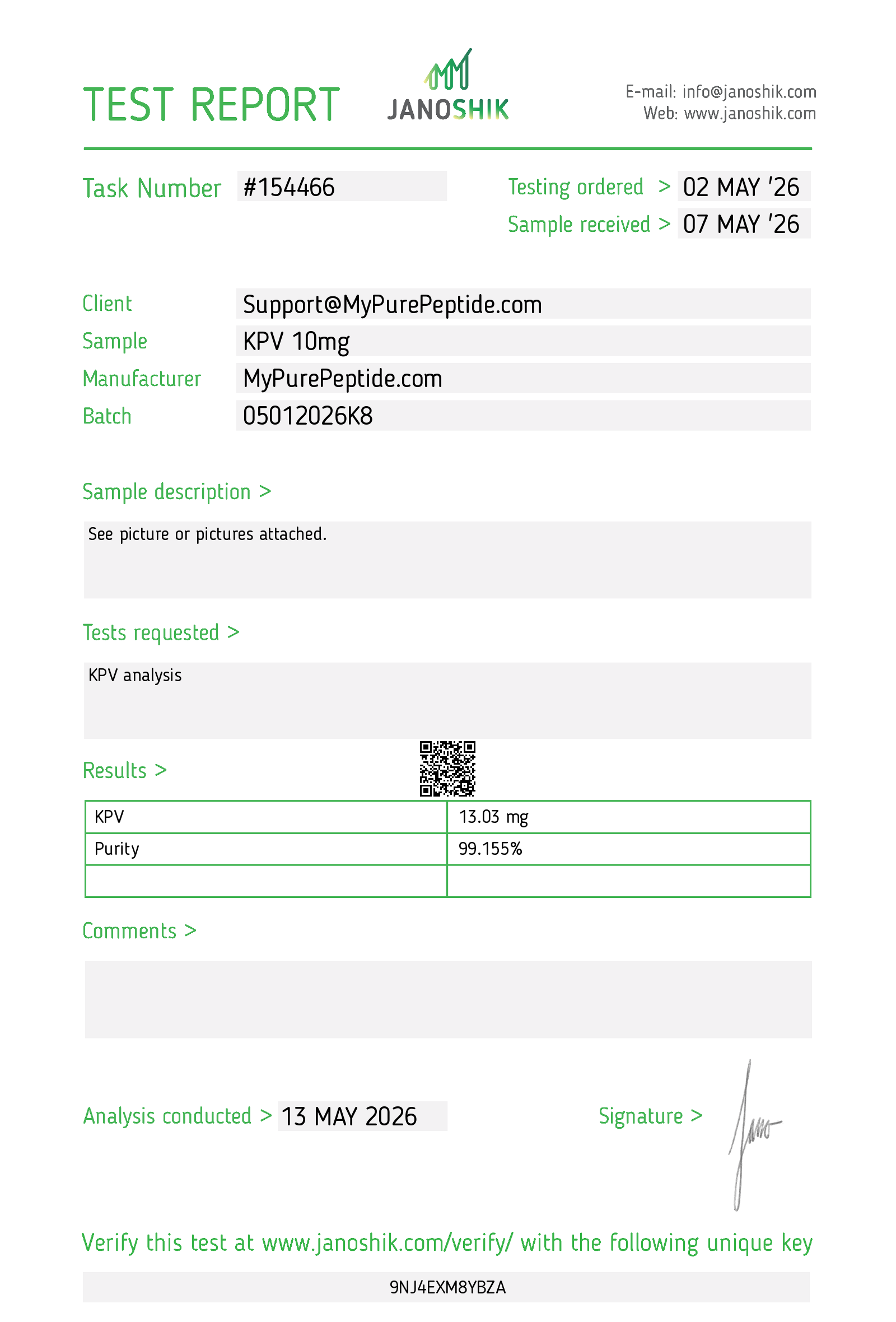
- Purity: ?99% (HPLC); COA per lot available
- Packaging: Sealed vials suitable for standard laboratory handling
Storage & Stability
- Store lyophilized vials in a cool, dry place, protected from light.
- Refrigeration or freezing of the lyophilized peptide is recommended for extended stability,
according to laboratory SOPs. - After reconstitution, store at 2–8 °C for short-term use.
- For long-term storage, aliquot and freeze at ?20 °C or below; avoid repeated freeze–thaw cycles.


Reviews
There are no reviews yet.