Description
DSIP 10 mg — Delta Sleep-Inducing Peptide for Sleep & Stress-Axis Research
DSIP (Delta Sleep-Inducing Peptide) is a naturally occurring
neuropeptide first described in relation to slow-wave (delta) sleep
in animal models. Synthetic DSIP and analogs are used in research to explore
sleep architecture, stress-axis regulation, and neuroendocrine signaling.
What It Is
- Class: Endogenous neuropeptide analog
- Peptide length: Short peptide (nonapeptide sequence)
- Research focus: Sleep stages, circadian/stress axis, and CNS
adaptation to stressors.
Proposed Mechanisms (Preclinical)
Sleep & EEG Architecture
- Originally studied for effects on delta-wave (slow-wave) sleep
in EEG-based models. - Explored for changes in sleep-stage distribution, latency, and continuity
in experimental animals. - Interest in interactions with GABAergic and other sleep-related
neurotransmitter systems.
Stress Axis & Neuroendocrine Effects
- Investigated for modulation of the HPA axis and stress-hormone
readouts in preclinical settings. - Experimental work examines adaptation to chronic stress, fatigue, and
overtraining paradigms. - Model-dependent effects on autonomic balance, blood pressure, and
behavioral stress markers.
Selected Research Contexts
- Sleep Research: Used to probe sleep regulation and EEG
architecture in animal studies. - Stress & Fatigue Models: Applied in paradigms involving
chronic stress, workload, or circadian disruption as exploratory tools. - Neuroendocrine Signaling: Part of broader research into
peptidergic regulation of sleep, stress, and autonomic function.
Chemical & Handling Information
- Type: Synthetic DSIP neuropeptide analog
- Peptide length: Short peptide (DSIP sequence per specification/lot)
- Appearance: White to off-white lyophilized powder
Specifications
- Peptide: DSIP (Delta Sleep-Inducing Peptide)
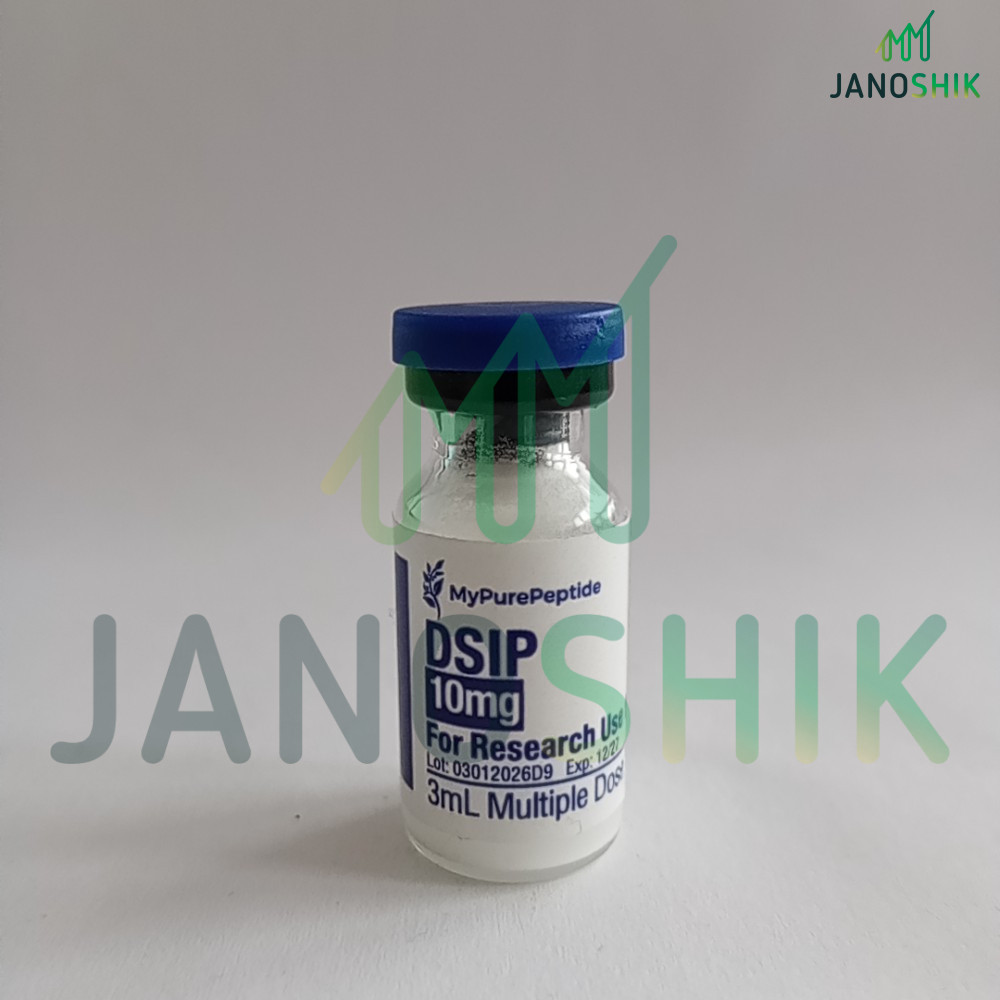
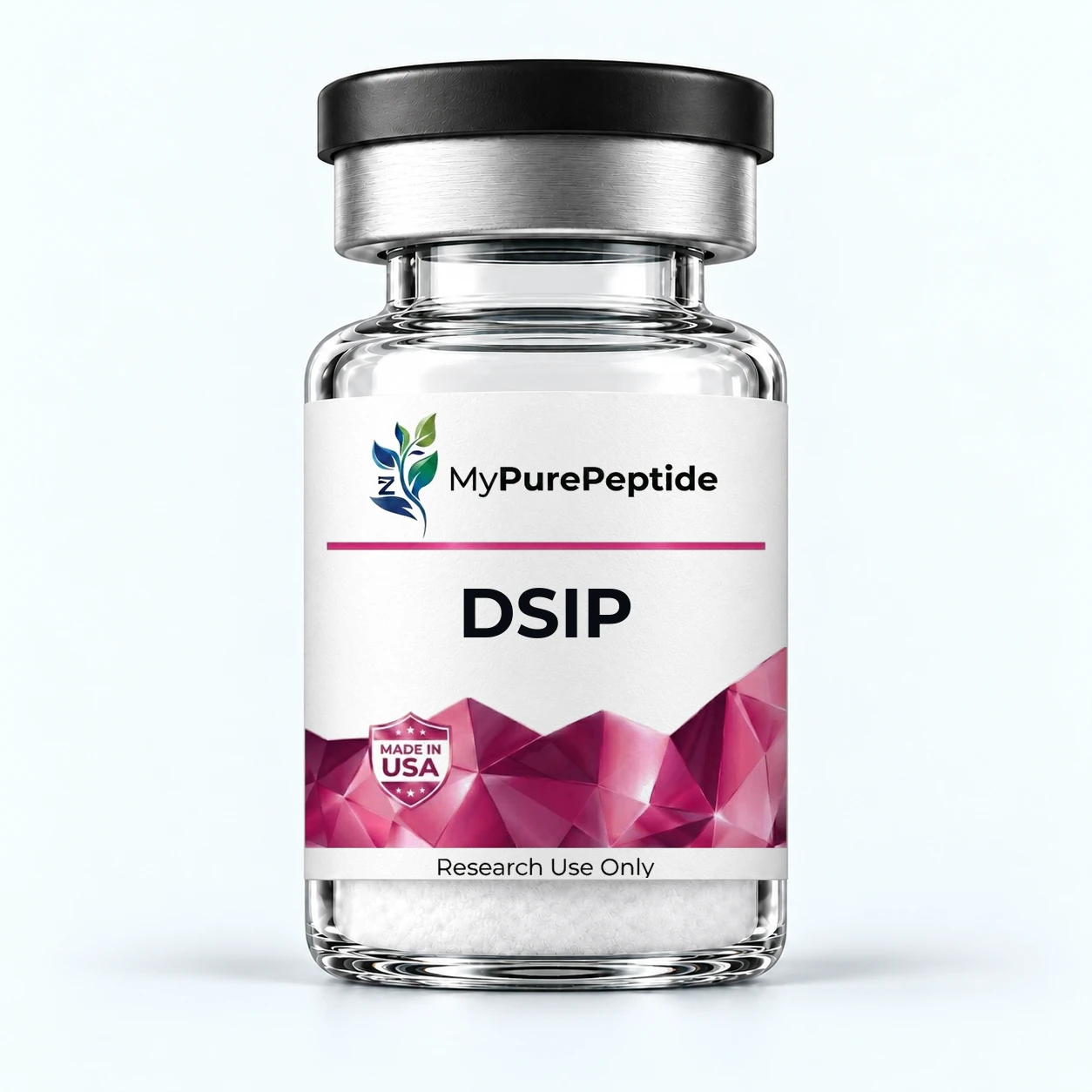
- Amount: 10 mg per vial
- Form: Lyophilized powder
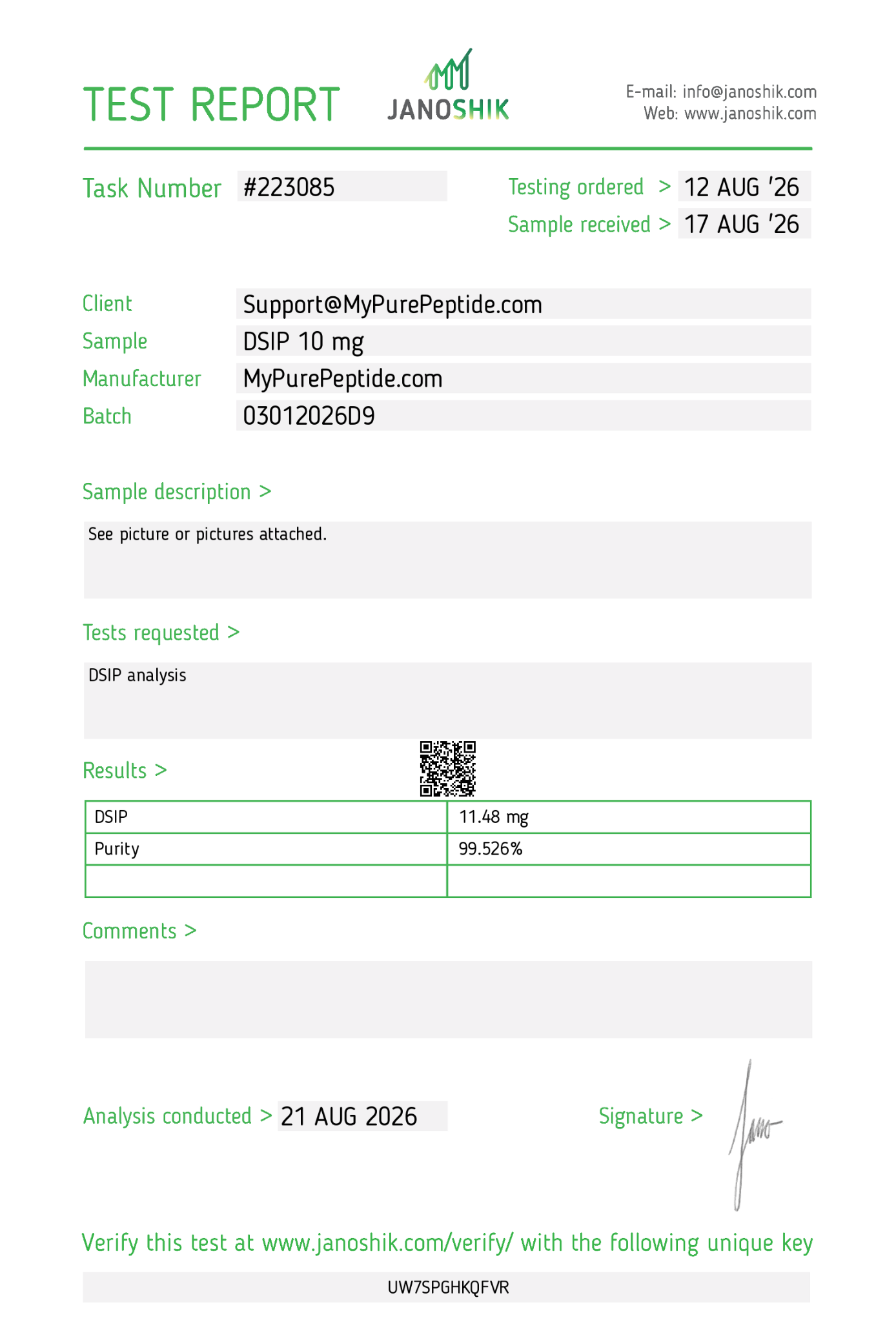
- Purity: ?99% (HPLC); COA per lot available
- Packaging: Sealed vials suitable for standard laboratory handling
Storage & Stability
- Store lyophilized vials in a cool, dry place, protected from light.
- Refrigeration or freezing of the lyophilized peptide is recommended for extended stability,
according to laboratory SOPs. - After reconstitution, store at 2–8 °C for short-term use.
- For long-term storage, aliquot and freeze at ?20 °C or below; avoid repeated freeze–thaw cycles.


Reviews
There are no reviews yet.