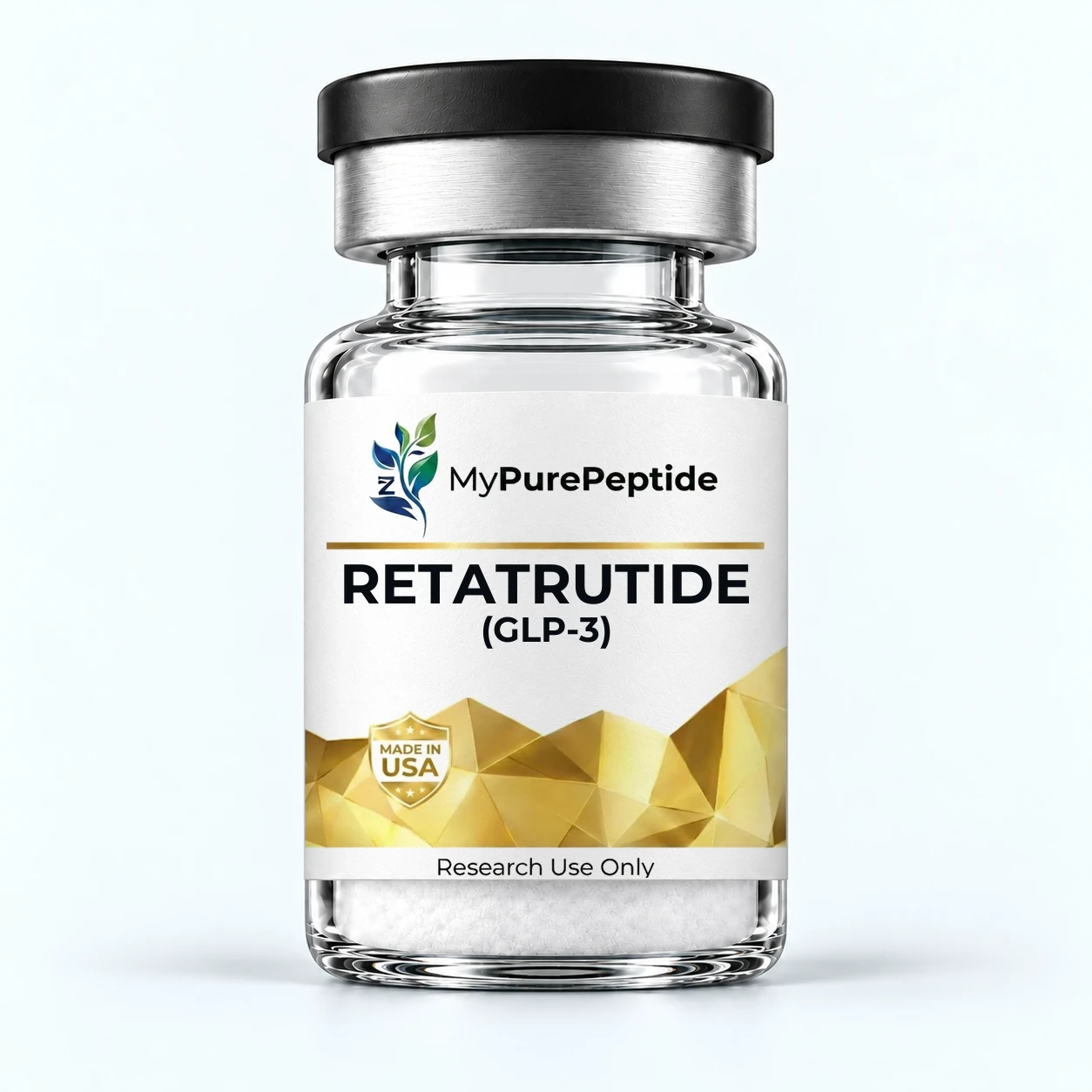
Description
Retatrutide 10 mg — Triple Incretin/Glucagon Receptor Agonist for Metabolic Research
Retatrutide is a synthetic multi-receptor peptide agonist designed to
activate GLP-1 (glucagon-like peptide-1), GIP (glucose-dependent insulinotropic polypeptide),
and glucagon receptors. In preclinical and clinical research, triple agonists of this
class have been investigated for their effects on body weight, glycemic control,
energy expenditure, and liver/metabolic endpoints in obesity and related
metabolic-disease models.
What It Is
- Class: Triple agonist targeting GLP-1R, GIPR, and GCGR
- Concept: Combines incretin-based GLP-1/GIP signaling with
glucagon-receptor activity to jointly influence appetite, glucose handling,
and energy expenditure in research settings. - Format: Research-grade synthetic peptide supplied as a lyophilized powder.
Proposed Mechanisms (Preclinical)
Incretin & Glucose Pathways
- GLP-1 receptor activation: Investigated for effects on
glucose-dependent insulin secretion, gastric emptying, and appetite-related
signaling in CNS pathways. - GIP receptor activation: Explored for modulation of
insulinotropic responses and adipocyte/metabolic signaling. - Combined GLP-1/GIP agonism is studied for enhanced glycemic control
and complementary effects on islet biology vs. single-receptor agonists.
Glucagon & Energy Expenditure
- Glucagon receptor activation: Evaluated for effects on hepatic
glucose output, lipid handling, and energy expenditure in animal models. - Triple-receptor engagement may shift fuel utilization and fat-oxidation patterns
under high-calorie or obesogenic diets. - Model-dependent changes in liver fat content, body composition, and metabolic
markers are a key focus of ongoing research.
Selected Research Highlights
- Obesity & Weight Models: Triple agonists like Retatrutide have
been examined in preclinical and human studies for substantial effects on
body-weight reduction and fat-mass parameters compared with
single- or dual-agonist comparators. - Glycemic Control: Investigations include changes in fasting glucose,
post-prandial responses, and HbA1c in metabolic-disease cohorts. - Liver & NAFLD/NASH Research: Studies have evaluated liver-fat
content, transaminases, and nonalcoholic fatty-liver disease–related markers under
triple-agonist exposure. - Cardiometabolic Risk: Ongoing research interest in blood pressure,
lipids, inflammatory markers, and other cardiometabolic endpoints.
Chemical & Handling Information
- Type: Synthetic multi-receptor peptide agonist
- Targets: GLP-1 receptor, GIP receptor, glucagon receptor (GCGR)
- Appearance: White to off-white lyophilized powder
Specifications
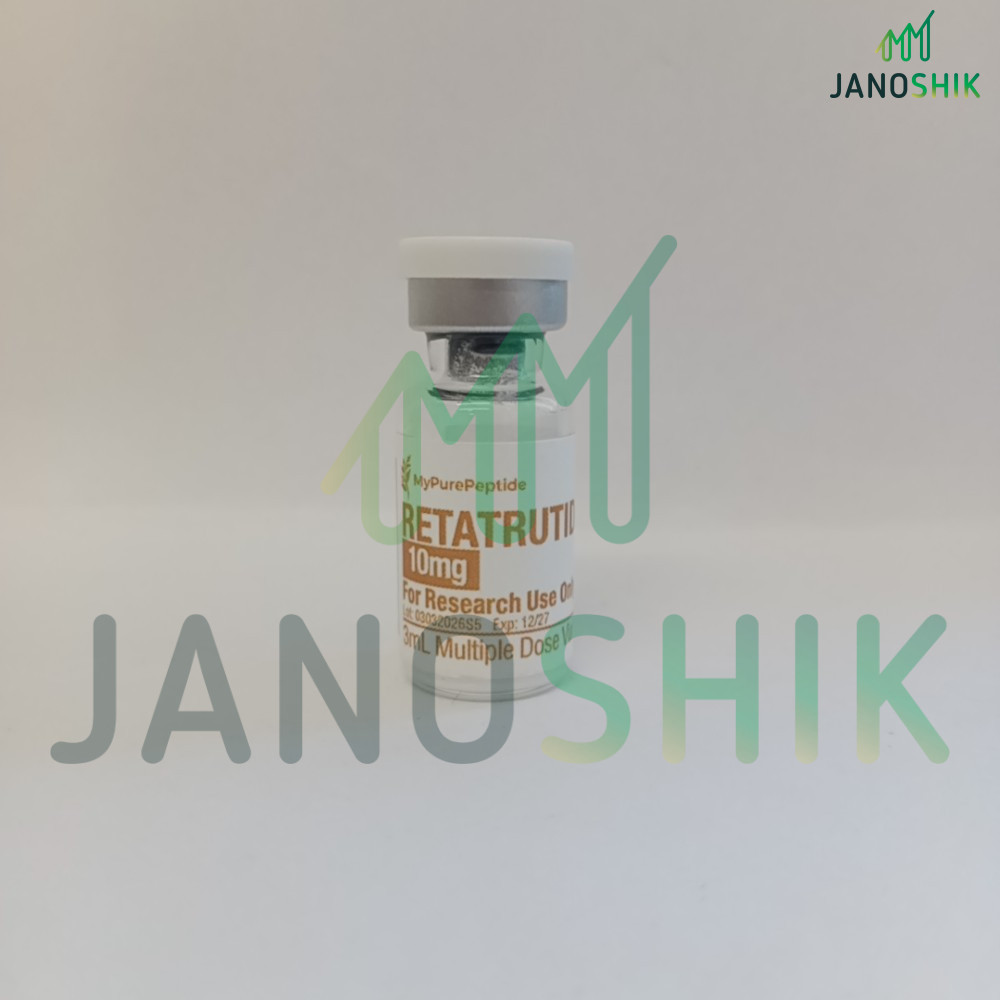
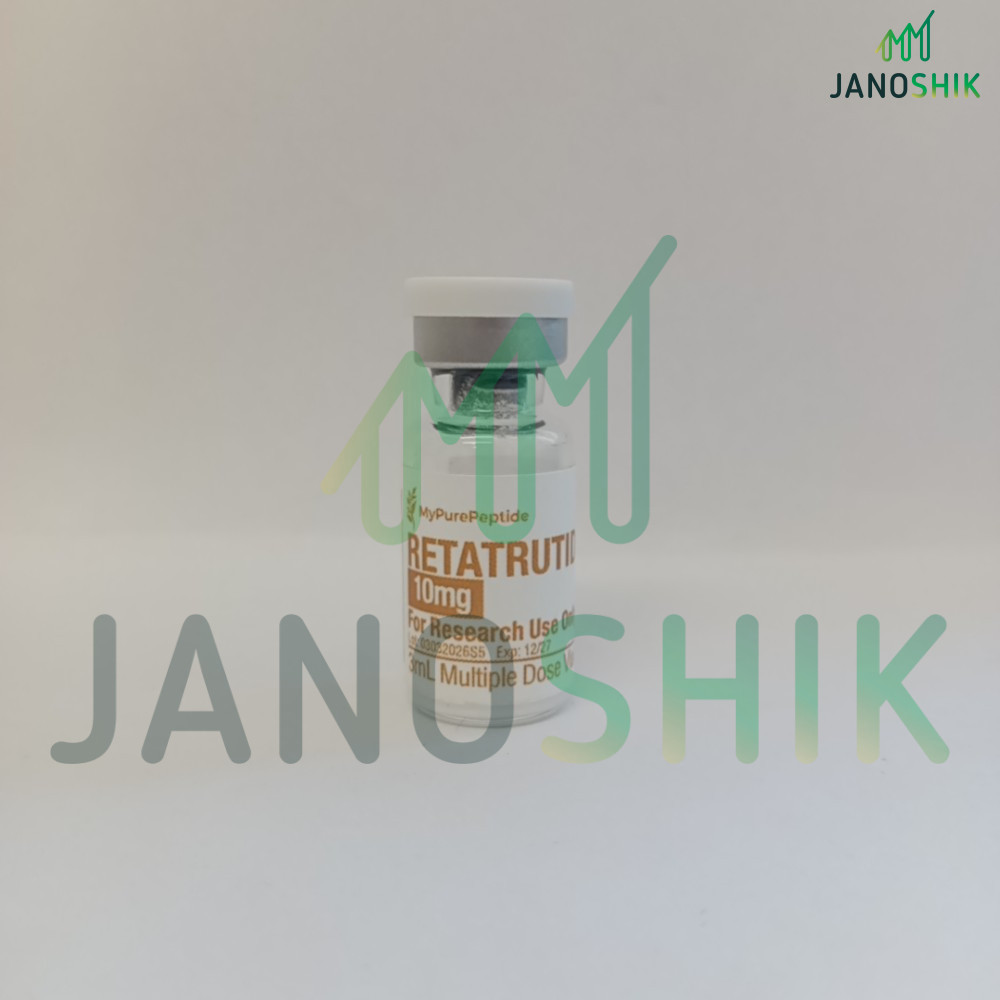
- Peptide: Retatrutide
- Amount: 10 mg per vial
- Form: Lyophilized powder
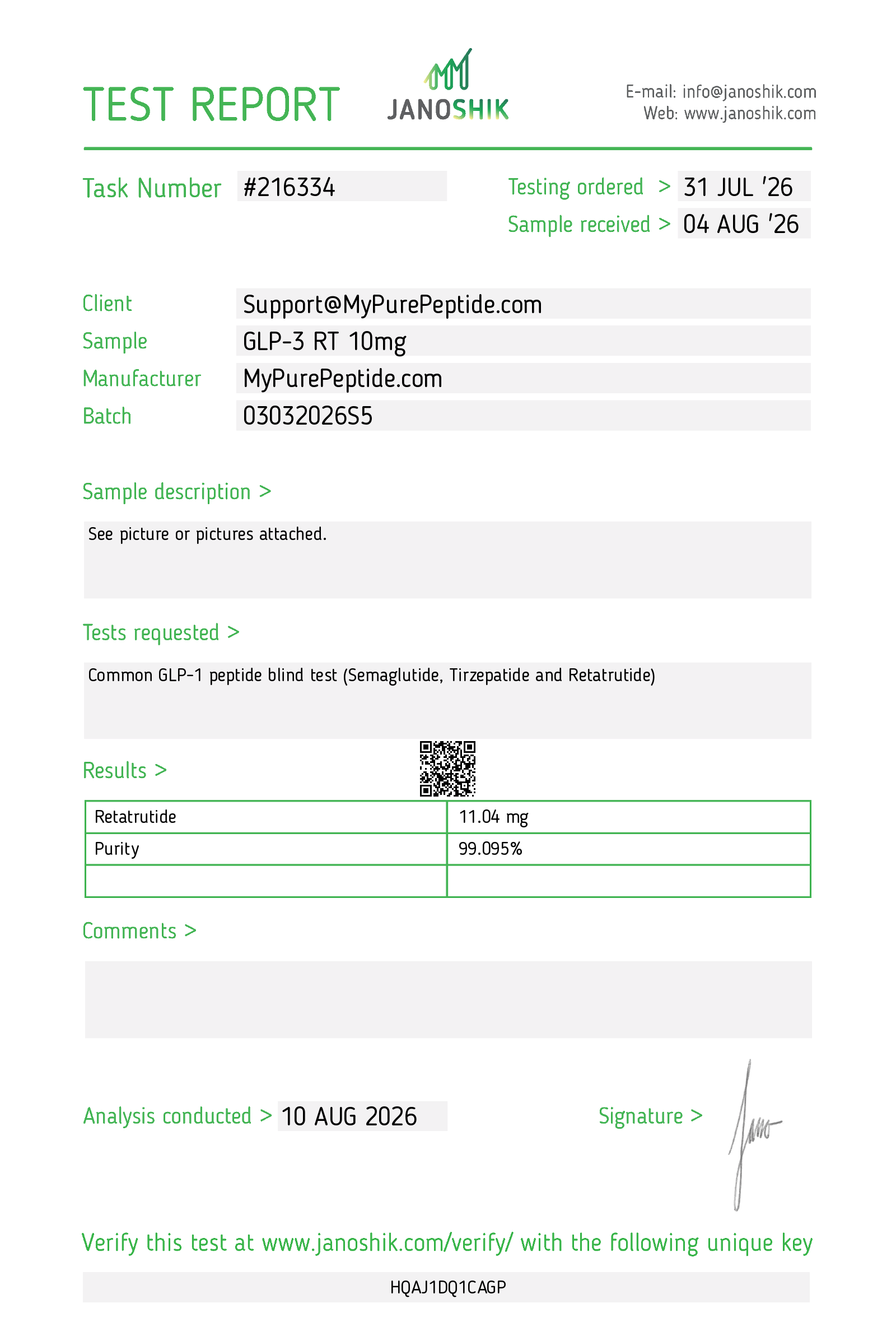
- Purity: ?99% (HPLC); COA per lot available
- Packaging: Sealed vials suitable for standard laboratory handling
Storage & Stability
- Store lyophilized vials in a cool, dry place, protected from light.
- Refrigeration or freezing of the lyophilized peptide is recommended for extended stability,
according to laboratory SOPs. - After reconstitution, store at 2–8 °C for short-term use.
- For long-term storage, aliquot and freeze at ?20 °C or below; avoid repeated freeze–thaw cycles.


Reviews
There are no reviews yet.